

The MadeByHer Journal
Crispy Nimki Namkeen — What Makes Ours Different
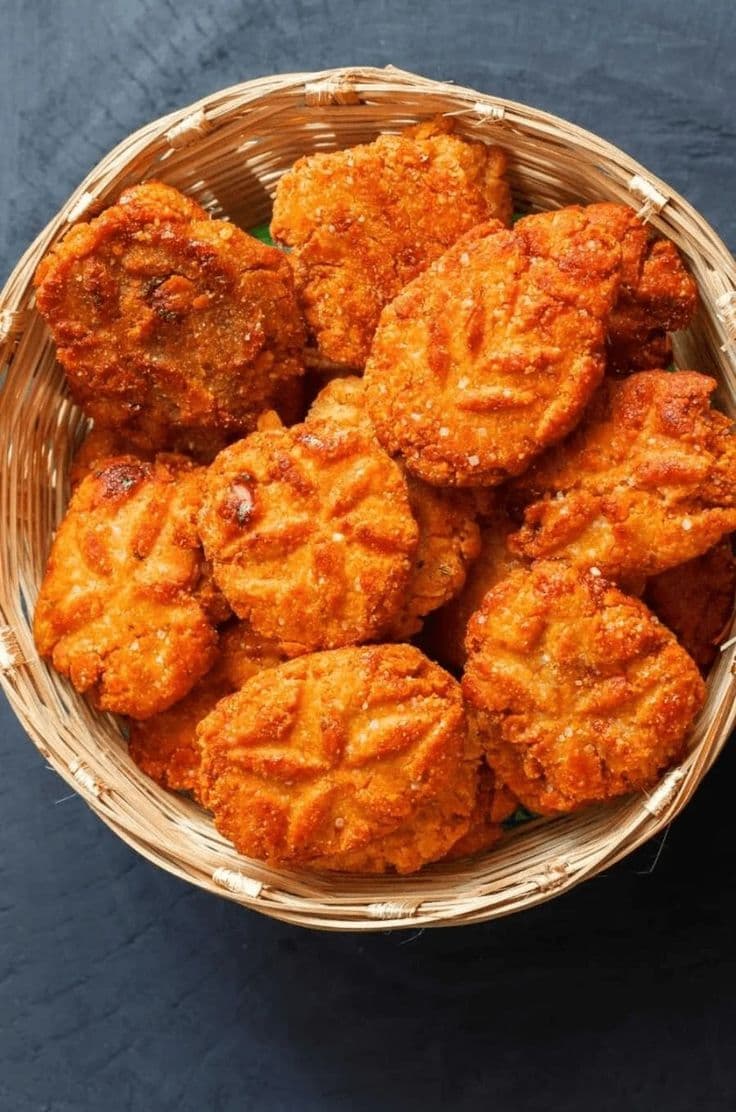
"Crispy" gets used to describe every namkeen product on the market, but genuine, lasting crispy nimki namkeen comes down to specific technique choices — not every version delivers it equally, regardless of how it's marketed.
What actually creates crispness
Two things matter most: ghee worked into the dough before liquid is added (creating flaky layers), and a slow, patient fry rather than a quick high-heat one. Skipping either step produces a chewier, less distinctly flaky result, even if it's technically fried the same basic way and looks similar before frying.
Why packaged versions often fall short
Mass-produced namkeen optimised for long shelf life often uses different oil and processing choices that trade some fresh-fried crispness for shelf stability — reasonable for a product that needs to sit on a shelf for months, but a different result than fresh-fried homemade nimki, which prioritises immediate quality over extended storage life.
The role of oil quality and temperature
Beyond technique, the oil itself and how consistently the frying temperature is maintained affects the final crispness — oil that's too old, or a temperature that fluctuates during frying, produces inconsistent results even with a good dough recipe. Home-kitchen sellers frying in smaller batches can control this more precisely than a large industrial fryer processing continuous volume.
Freshness window
Homemade nimki, properly fried and stored airtight, stays crisp for a few weeks — noticeably longer if kept away from humidity, which is the main enemy of any fried snack's texture over time. Humidity is a bigger threat to crispness than time alone; properly sealed nimki in a dry environment holds its texture far better than the same nimki left even briefly exposed to moist air.
What to check when ordering
Look for sellers describing the traditional ghee-and-slow-fry method specifically, not just "crispy" as a generic marketing word — the process is what determines the actual result, and a seller who can explain her method is more likely to be genuinely delivering on the crispy nimki namkeen claim than one using it as a generic descriptor.
How to keep it crispy once it arrives
Transfer nimki to an airtight container immediately on arrival rather than leaving the shipping packaging open, and store it away from the kitchen's usual humidity and heat sources for the longest-lasting crispness.
The role of oil freshness in a good batch
Beyond technique, the oil itself needs to be relatively fresh for the best crispy nimki namkeen result — oil reused too many times without replacement starts to affect both flavour and how cleanly the nimki crisps up, which is one more reason a home-kitchen seller frying in smaller, more frequent batches often produces a fresher-tasting result than one stretching a single batch of oil across a very large production run.
Testing crispness before committing to a large order
If you're ordering crispy nimki namkeen for the first time from a new seller, consider starting with a smaller quantity to test texture and freshness before committing to a bulk order for a festival or event — this is a reasonable approach with any new homemade food seller, not specific to nimki alone.
What genuinely crispy nimki namkeen should feel like
Well-made nimki should have an audible, clean crunch and visible flaky layers when broken — not a soft give or a greasy residue on your fingers, both of which suggest either insufficient frying time or oil that wasn't at the right temperature during preparation.
Browse homemade crispy nimki, made using the traditional slow-fry technique.
Every piece here is made by a real woman running her own small business.
Shop the marketplace →