

The MadeByHer Journal
Gluten-Free Papad — What to Know About Rice Flour Options
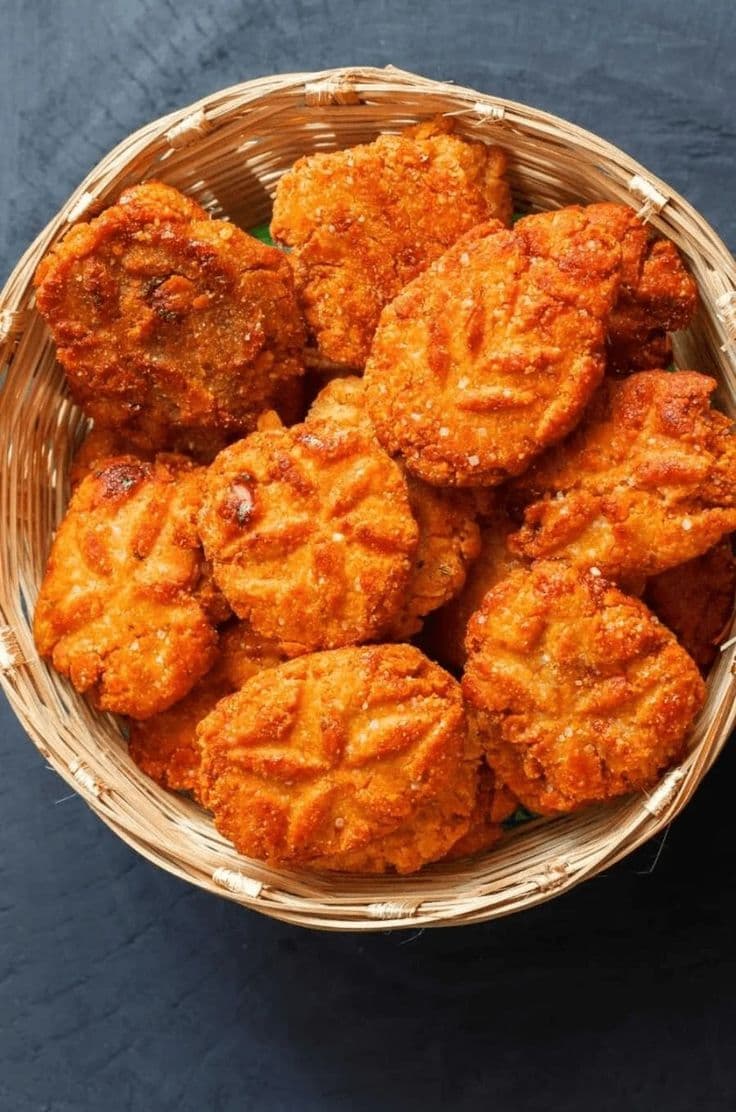
Gluten free papad is more available than many people expect, since one of the two traditional papad bases is naturally gluten-free — but it's worth knowing the difference between the two common types before assuming any papad is automatically safe.
The two main papad bases
Traditional papad is typically made from either urad dal (black gram lentil) flour or rice flour, depending on regional preference and household tradition. Rice flour papad is naturally gluten-free, since rice contains no gluten. Lentil-based papad is also technically gluten-free as a base ingredient — lentils themselves don't contain gluten — but cross-contamination risk and specific recipe additions can vary, so it's not automatically guaranteed gluten-free without confirming the specific recipe and preparation process.
Why "papad is naturally gluten-free" isn't a complete answer
While the core traditional ingredients (lentil or rice flour, salt, spices) don't inherently contain gluten, homemade production in a kitchen that also handles wheat-based products (like thekua or nimki, both made with wheat flour) carries a real cross-contamination risk for anyone with celiac disease or a serious gluten sensitivity, not just a mild preference. If gluten-free status is a strict medical necessity rather than a general preference, ask the seller directly about her kitchen's cross-contamination practices, not just the papad recipe itself.
What to check on a gluten-free papad listing
Look for explicit mention of rice flour specifically, and ideally confirmation of separate preparation or equipment from wheat-based products if cross-contamination is a serious concern for you. A listing that simply says "papad" without specifying the flour base requires a direct question to the seller before you can assume gluten-free status.
Taste and texture differences
Rice flour papad tends to have a slightly different texture from lentil-based papad — often a bit more delicate and prone to shattering rather than the slightly chewier bite lentil-based papad can have. Neither is objectively better; it's a matter of preference once you've confirmed which one suits your dietary needs.
Gluten-free papad in the context of a broader Bihari snack order
If you're ordering a mixed batch of Bihari snacks and need to keep things gluten-free, be aware that thekua and nimki are both wheat-based and not suitable, while rice-flour papad and most achaar varieties are gluten-free by ingredient. Pedakiya's dough is also typically wheat-based, so it falls into the same category as thekua and nimki for gluten-free purposes.
For celiac disease specifically
If you have celiac disease rather than a general gluten sensitivity, the stakes around cross-contamination are meaningfully higher, and a direct, specific conversation with the seller about her kitchen practices is worth having before ordering, rather than relying on ingredient assumptions alone.
Reading labels carefully for genuine gluten-free confidence
Even with rice flour as the base, some recipe variations or flavourings could theoretically introduce cross-contact risk depending on what else is prepared in the same kitchen space — for anyone with celiac disease specifically, rather than a general preference, this level of detail is worth confirming directly with the seller rather than assuming based on the base flour alone.
Why rice flour papad has grown in popularity beyond dietary need
Rice flour papad's rise in popularity isn't purely about gluten-free demand — some people simply prefer its lighter, more delicate texture compared to lentil-based papad, independent of any dietary restriction. This means gluten-free papad sellers often serve a broader customer base than strictly gluten-sensitive buyers alone.
Cooking gluten-free papad the same way
Rice flour papad cooks the same way as any other papad — roasted over a flame, in a dry pan, or deep-fried — and doesn't require any special preparation method because of its gluten-free status. The main thing to watch is that rice flour papad can be slightly more delicate and prone to breaking during handling than lentil-based papad, so a bit more care while cooking and serving helps keep pieces intact.
Combining gluten-free items in one order
If gluten-free status is a priority for your whole order, rice-flour papad pairs well with mango achaar (naturally gluten-free) for a genuinely safe combination, while steering clear of thekua, nimki and pedakiya in the same order given their wheat-based dough. Mentioning your dietary need clearly in your order notes helps the seller flag anything that might need double-checking on her end too.
Browse homemade papad and confirm rice flour specifically with the seller if gluten-free status matters for your diet.
Every piece here is made by a real woman running her own small business.
Shop the marketplace →