

The MadeByHer Journal
How Pedakiya Is Made — The Traditional Method
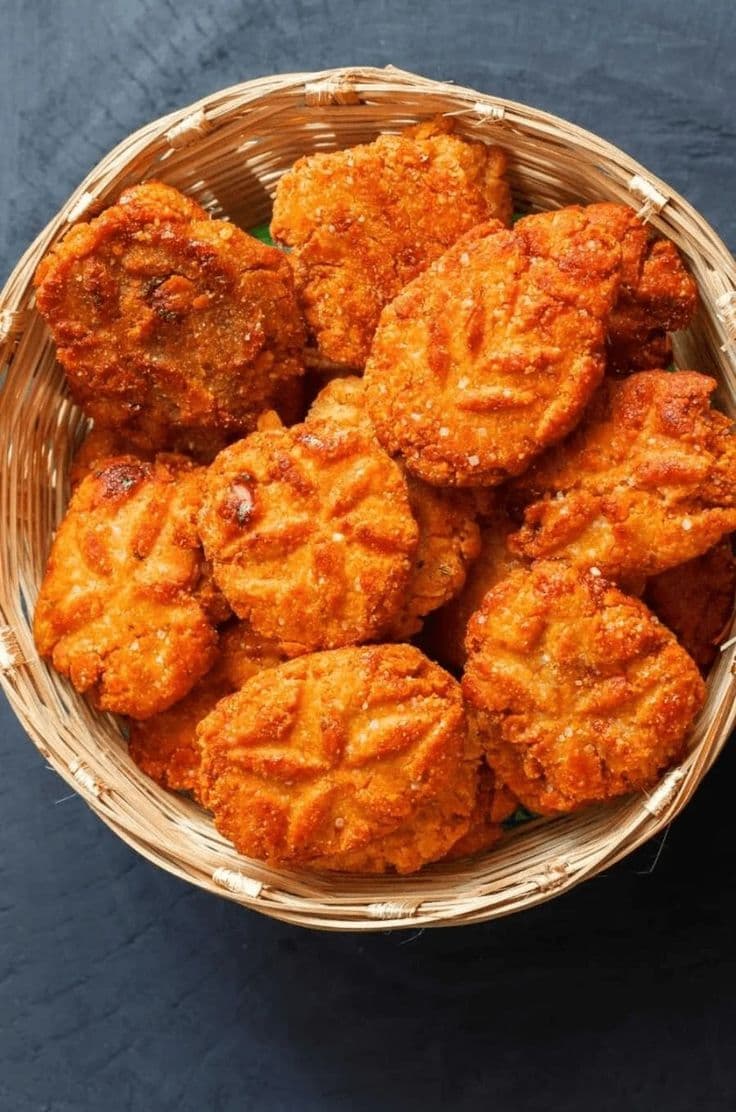
Pedakiya banane ki vidhi — the traditional preparation method — follows a household-passed-down approach more than a standardised recipe — variations exist across different Bihari families, but the broad process is consistent across most kitchens that make it.
The outer dough
A simple flour dough, often with a small amount of ghee worked in, rolled thin enough to seal well around the filling but sturdy enough to hold its shape through frying without tearing or leaking. Getting the dough thickness right takes some practice — too thick and the pedakiya turns out doughy inside; too thin and it risks breaking during shaping or frying.
The filling
Fillings vary by family but commonly include grated coconut, khoya, or a jaggery-based sweet mixture, sometimes combined with a small amount of dry fruit or cardamom for flavour. Some households favour a drier filling that holds together well during sealing, while others use a slightly moister mixture for a richer bite, depending on family preference passed down over generations.
Shaping and sealing
The dough is cut into rounds, filled, folded and sealed — often crimped by hand along the edge, a step that takes practice to get consistently tight enough that the filling doesn't leak out during frying. A poorly sealed pedakiya will often burst slightly in the oil, losing filling and affecting both appearance and texture, which is why this step is considered one of the trickier parts of making it well.
Frying
Like most traditional Bihari fried sweets, pedakiya is fried on medium heat rather than high heat, allowing the outer dough to cook through evenly without burning before the filling is properly heated inside. This slower approach mirrors the same principle behind thekua and nimki frying — patience over speed produces a better, more evenly cooked result.
Common variations in method
Some families add a light glaze or dusting after frying, while others serve pedakiya plain straight from the oil once cooled — there's no single "correct" finishing step, and this variation is part of what makes pedakiya from different households genuinely taste different from each other, not just a matter of presentation.
Why homemade matters here specifically
Because pedakiya isn't mass-produced or widely sold, nearly every pedakiya available is homemade by definition — there's no factory-made alternative to compare it against, which makes the maker's own technique and family recipe the entire determinant of quality, more so than with more commercially standardised sweets.
Learning pedakiya banane ki vidhi as a beginner
For someone attempting pedakiya banane ki vidhi for the first time without a family member to learn from directly, expect the sealing step to be the hardest part to get right initially — it's worth practicing on a small batch first rather than attempting a large quantity before you're confident the filling stays sealed through frying.
Passing the method down
Because pedakiya's method lives primarily in family knowledge rather than published recipes, each generation that learns it — typically by helping in the kitchen during festival preparation rather than through formal instruction — becomes part of how the tradition continues. This is part of why buying pedakiya from a home-kitchen seller carries a different weight than buying a mass-produced sweet: it's supporting the continuation of a specific, still-living food tradition.
Browse homemade pedakiya, made using traditional Bihari methods passed down through the family.
Every piece here is made by a real woman running her own small business.
Shop the marketplace →