

The MadeByHer Journal
How to Check Papad Quality Before You Buy Online
Finding premium quality papad online means judging it from a listing rather than handling the product directly, which makes knowing what to actually check before you buy genuinely useful — a few specific signals separate a good homemade papad seller from a generic one.
Check the ingredient list first
A short, recognisable ingredient list — lentil or rice flour, salt, and traditional flavourings like black pepper or cumin — is a strong signal of genuine homemade production. A surprisingly long ingredient list with unfamiliar additives suggests either mass production or a seller not being fully transparent about her process.
Look for explicit mention of sun-drying
Genuine traditional papad is sun-dried, a process that takes real time and depends on weather. A listing that explicitly mentions sun-drying, or describes a weather-dependent production timeline, is more credible than one that simply says "homemade" without any process detail — sun-drying specifically is what distinguishes traditional papad from a faster industrially-dried alternative.
Check photos carefully
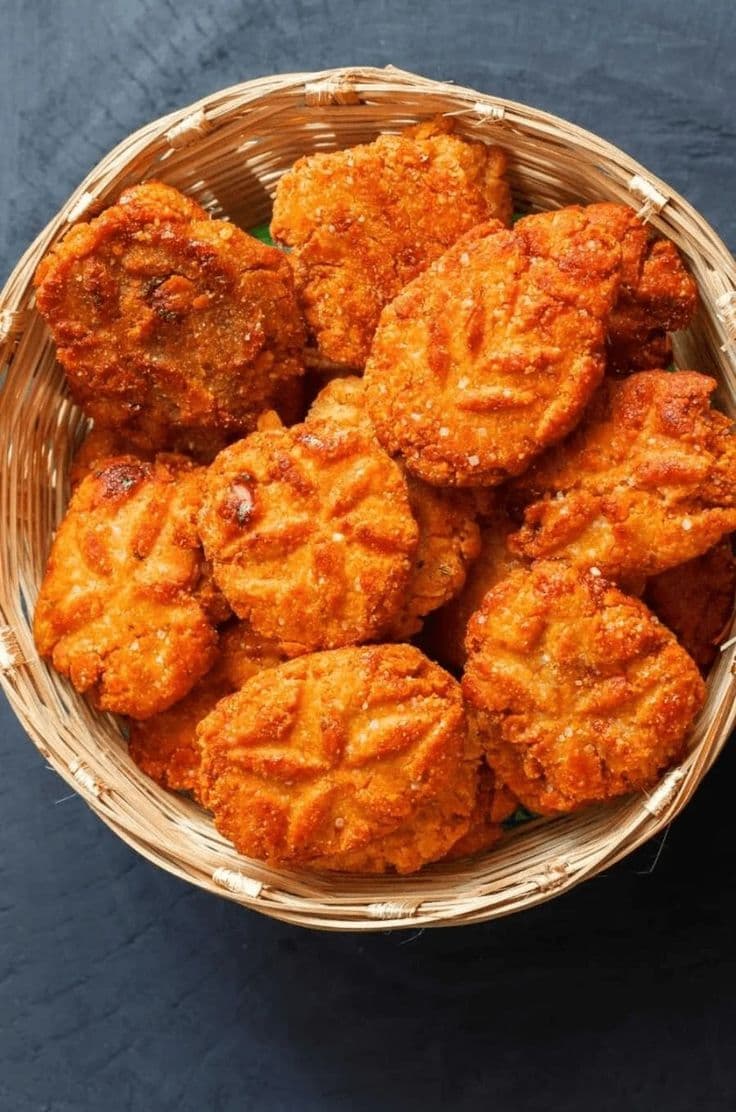
Look for photos showing the actual texture of the papad — slightly irregular, hand-rolled thickness is normal and even a positive sign for genuinely traditional papad, unlike the perfectly uniform appearance of machine-made versions. If photos show obviously uniform, machine-perfect discs, that's worth questioning against a "homemade" claim.
Ask about batch freshness
Since sun-dried papad depends on weather and production timing, ask the seller how recently the batch was made — properly dried and stored papad keeps for months, but freshly made batches generally have better flavour and texture than papad that's been sitting for an extended period, even if both are technically still good.
Read seller descriptions for specificity
A seller who can describe her specific flour choice, spice mix, and drying process in some detail is generally more trustworthy than a generic listing with vague "traditional" language and no real detail behind it — specificity is usually a good proxy for genuine expertise and transparency.
Consider reviews and seller history where available
If the platform shows reviews or a seller's order history, checking for consistent positive feedback specifically about papad quality (crispness, taste, freshness on arrival) gives you real-world confirmation beyond the listing description alone.
What to expect once it arrives
Good homemade papad should feel firm and slightly brittle, not soft or bendable — softness suggests either incomplete drying originally or moisture exposure during shipping or storage, worth flagging to the seller if it happens consistently.
Comparing premium quality papad against everyday brands
Premium quality papad, whether homemade or a higher-end packaged brand, generally differs from everyday supermarket papad in ingredient sourcing, thickness consistency and flavour depth — worth the price difference for occasions where quality is noticed more, even if you use a more standard brand for everyday cooking.
Asking the right questions before a first order
If you're ordering from a new seller for the first time and quality is uncertain, asking directly about her sourcing (where her lentil or rice flour comes from), her drying process, and how long she's been making papad commercially can give you a clearer picture than the listing alone provides.
Testing a small quantity before a larger order
If you're planning a larger papad order — for a wedding, a big family gathering, or a bulk pantry stock-up — ordering a small trial quantity first from a new seller is a sensible way to confirm premium quality papad claims match reality before committing to a bigger purchase. This is a normal and reasonable request, and most sellers who are confident in their product won't mind a smaller first order to build trust.
Cooking method affects your quality perception too
Part of what people perceive as premium quality papad actually comes down to cooking method rather than the papad itself — a papad roasted directly over an open flame develops a different character than the same piece deep-fried, and comparing a roasted papad from one seller against a fried papad from another isn't really a fair quality comparison. Try to compare like for like when judging between sellers.
What a fair price range looks like
Genuinely handmade, sun-dried papad from a home kitchen typically costs more than a mass-market packaged brand, reflecting the time and weather-dependent process involved — a price that seems unusually low relative to other homemade listings is sometimes worth a second look, since it may indicate a faster, less traditional production method despite similar marketing language.
Browse homemade sun-dried papad and apply these checks before placing your order.
Every piece here is made by a real woman running her own small business.
Shop the marketplace →