

The MadeByHer Journal
How to Make Nimki at Home — Full Recipe
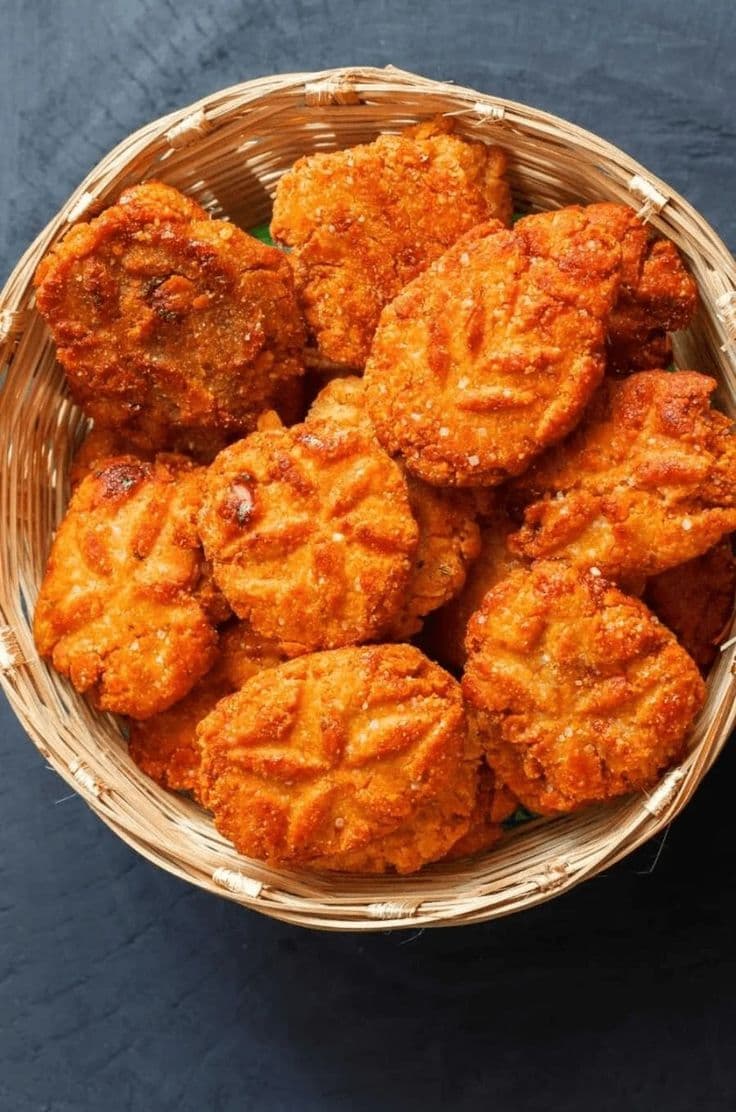
This nimki recipe covers the traditional method for the flaky, savoury, diamond-shaped snack popular across Bihar — the technique matters as much as the ingredients here, since a rushed version comes out chewy rather than properly flaky.
Ingredients
Flour (about 2 cups), ghee (3-4 tablespoons, worked into the flour before liquid is added), cumin seeds and kalonji (nigella seed) for flavour, salt, and water to bring the dough together. Some households add a small amount of ajwain (carom seed) as well.
Step 1 — work the ghee into the flour
This is the step that determines whether your nimki turns out flaky. Rub the ghee into the flour with your fingers until it resembles coarse sand — similar to making a pastry dough. Don't skip or rush this; it's what creates the layered texture during frying.
Step 2 — add spices and water
Mix in the cumin, kalonji, ajwain if using, and salt. Add water gradually, kneading into a firm, tight dough — firmer than a regular roti dough, since a soft dough won't hold the shape well during rolling and cutting.
Step 3 — rest the dough
Let the dough rest, covered, for at least 15-20 minutes before rolling. This relaxes the gluten and makes it easier to roll thin without the dough springing back.
Step 4 — roll and cut
Roll the dough out relatively thin — not paper-thin, but thin enough that it fries through evenly. Cut into diamond or triangle shapes, and prick each piece a few times with a fork to help it fry flat rather than puffing unevenly.
Step 5 — fry low and slow
Heat oil to a medium-low temperature. Fry the nimki in small batches, turning occasionally, until golden and crisp — this nimki recipe genuinely needs a slower fry than most snacks, often 10-12 minutes per batch, to develop the flaky layers properly. Rushing this step at high heat is the most common reason homemade nimki comes out dense rather than flaky.
Step 6 — cool completely before storing
Let the nimki cool fully before transferring to an airtight container — sealing warm nimki traps steam and softens the crispness you worked to develop.
Variations by region
This nimki recipe reflects the Bihari style specifically — flakier, savoury, cumin-and-kalonji forward. Bengali, Odia and Assamese versions of nimki vary somewhat in spice mix and sometimes lean slightly sweeter, worth knowing if you've had a different regional version before and are wondering why it tastes different from this one.
Adjusting spice levels to taste
This nimki recipe uses cumin and kalonji as the base flavouring, but the spice mix is genuinely flexible — some households add a bit of red chilli powder for heat, others keep it milder for children. Adjust the spice quantities in small increments on your first attempt, since it's easier to add more next time than to fix an overly spiced batch.
Storage and shelf life once made
Properly fried and cooled nimki, stored airtight, typically stays crisp for two to three weeks at room temperature — longer in a drier climate, shorter if your kitchen tends toward humidity. If you notice the texture softening before then, transferring it to the refrigerator can extend crispness slightly, though this isn't traditional practice and changes the texture somewhat.
Why this nimki recipe specifically reflects Bihari style
There are regional variations on nimki across Bengal, Odisha and Assam, each with slightly different spice profiles and sometimes different shapes. This particular method — cumin and kalonji forward, diamond-cut, no added sweetness — reflects the Bihari tradition specifically, worth knowing if you've had a different regional version before and want to understand why the flavour differs.
Skipping the effort
Getting the flaky texture right takes a few attempts to master.
Common mistakes beyond frying temperature
Besides frying too fast, the next most common problem is under-working the ghee into the flour at the start — if the ghee sits in visible streaks rather than being fully rubbed through, the finished nimki will be uneven, flaky in some bites and tough in others. Rolling too thick is another frequent issue, since a thick piece traps more raw dough at the centre, needing longer frying that risks over-browning the outside before the inside is done.
Pairing nimki with tea
Nimki's savoury, slightly spiced crunch makes it a natural pairing with hot chai — this is genuinely how it's most commonly eaten in Bihari households, as an everyday tea-time snack rather than only a festival item. Keeping a jar on hand for this purpose is one of the more practical reasons to make or order a full batch rather than a small trial amount.
If you'd rather have it made by someone with the technique down, browse homemade nimki, made using this same ghee-and-slow-fry method.
Every piece here is made by a real woman running her own small business.
Shop the marketplace →