

The MadeByHer Journal
How to Make Thekua at Home — Full Recipe
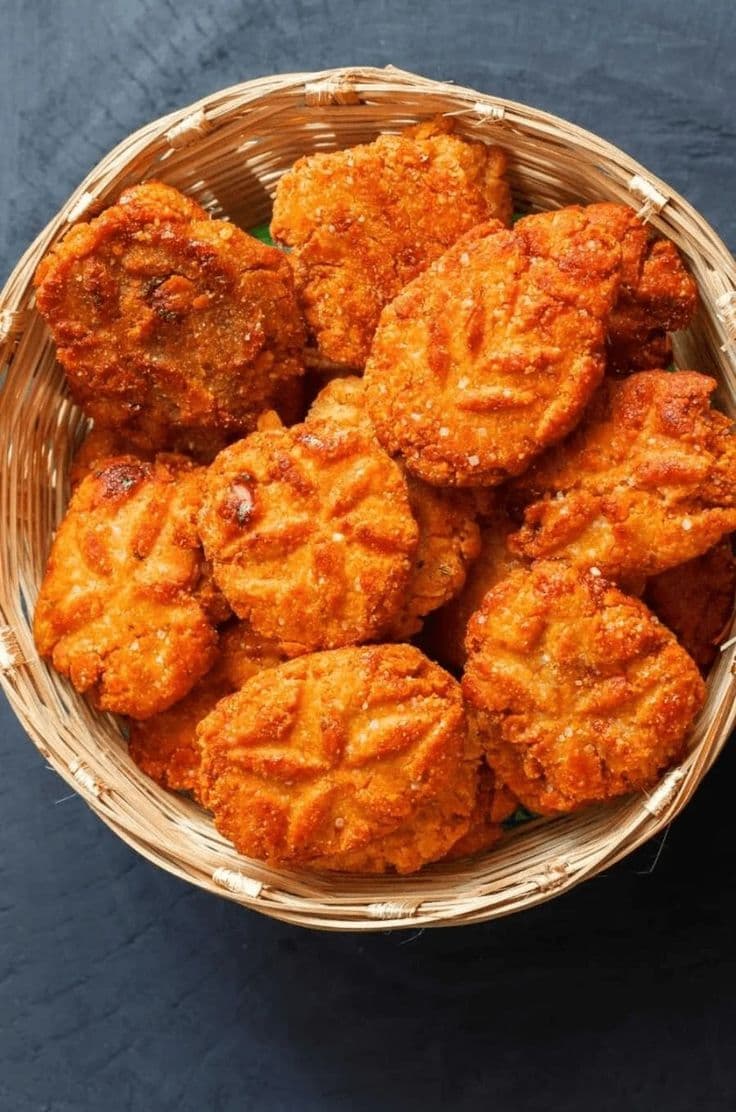
This thekua recipe walks through the traditional method start to finish — not a shortcut version, but the actual process that produces the dense, jaggery-sweet result Chhath Puja thekua is known for.
Ingredients
For a standard home batch: wheat flour (about 2 cups), jaggery (roughly 1 cup, melted into syrup with a little water), ghee (2-3 tablespoons, worked into the flour), a pinch of fennel seeds if you like the flavour, and oil for deep frying. Exact quantities vary by household — this is a starting ratio, not a fixed formula, and most experienced cooks adjust by feel rather than precise measurement.
Step 1 — melt the jaggery
Melt the jaggery in a small amount of water over low heat until it forms a smooth syrup, then let it cool slightly before using — adding it too hot to the flour can make the dough difficult to work with.
Step 2 — make the dough
Rub the ghee into the flour first, until it resembles coarse breadcrumbs — this step matters more than people expect, since it's what gives thekua its texture. Then add the cooled jaggery syrup gradually, kneading into a stiff, firm dough. Unlike a soft roti dough, thekua dough should feel dense and hold its shape without stretching easily.
Step 3 — shape
Divide the dough into small portions and press each into a disc, either using a wooden thekua mould for the traditional ridged pattern or shaping and marking the surface by hand with a fork. Keep the thickness consistent across pieces so they fry evenly.
Step 4 — fry slowly
Heat oil to a medium temperature — not smoking hot. Fry the thekua pieces in small batches, turning occasionally, until they're a deep golden-brown, which typically takes longer than most fried snacks (often 8-10 minutes per batch). Frying too fast at high heat browns the outside before the inside cooks through, leaving a raw centre — the single most common mistake in this thekua recipe.
Step 5 — cool and store
Let the fried thekua cool completely on a wire rack or paper towel before storing in an airtight container — sealing it while still warm traps moisture and softens the texture you just spent time developing.
Common problems and fixes
If your thekua comes out too hard, the dough was likely over-kneaded or the ghee ratio too low. If it's greasy rather than crisp, the oil temperature was probably too low, letting the pieces absorb oil rather than frying properly. If the inside stays raw, the heat was too high and the outside cooked faster than the centre.
Adjusting quantities for a larger batch
This thekua recipe scales reasonably well for a larger batch — doubling or tripling the ingredients works fine, though frying still needs to happen in small batches within the oil regardless of total quantity, to keep the oil temperature consistent. Don't be tempted to fry more pieces at once just because you've made more dough; it's better to fry several smaller rounds than overcrowd the pan.
Ingredient substitutions people ask about
Some people ask whether white sugar can replace jaggery in this thekua recipe — it can, technically, but the result tastes noticeably different and isn't considered proper thekua by most traditional standards, particularly for Chhath prasad specifically. Similarly, substituting a neutral oil for ghee in the dough changes the texture and flavour meaningfully, producing something closer to a plain fried biscuit than traditional thekua.
How to know when a batch is done right
A well-made batch should be uniformly deep golden-brown, firm but not rock-hard, with a clean break rather than crumbling apart when snapped in half. If pieces vary significantly in colour within the same batch, uneven oil temperature during frying is the likely culprit — worth adjusting for the next batch.
If you'd rather not make it yourself
This thekua recipe takes practice to get consistently right, and many people — especially those without a wooden mould or without having learned the technique growing up — prefer to order it made by someone experienced. Browse homemade thekua made using this same traditional jaggery method, if you'd rather skip the trial and error.
Every piece here is made by a real woman running her own small business.
Shop the marketplace →