

The MadeByHer Journal
Maa Ki Rasoi's Story — From a Home Kitchen to Pan-India Shipping
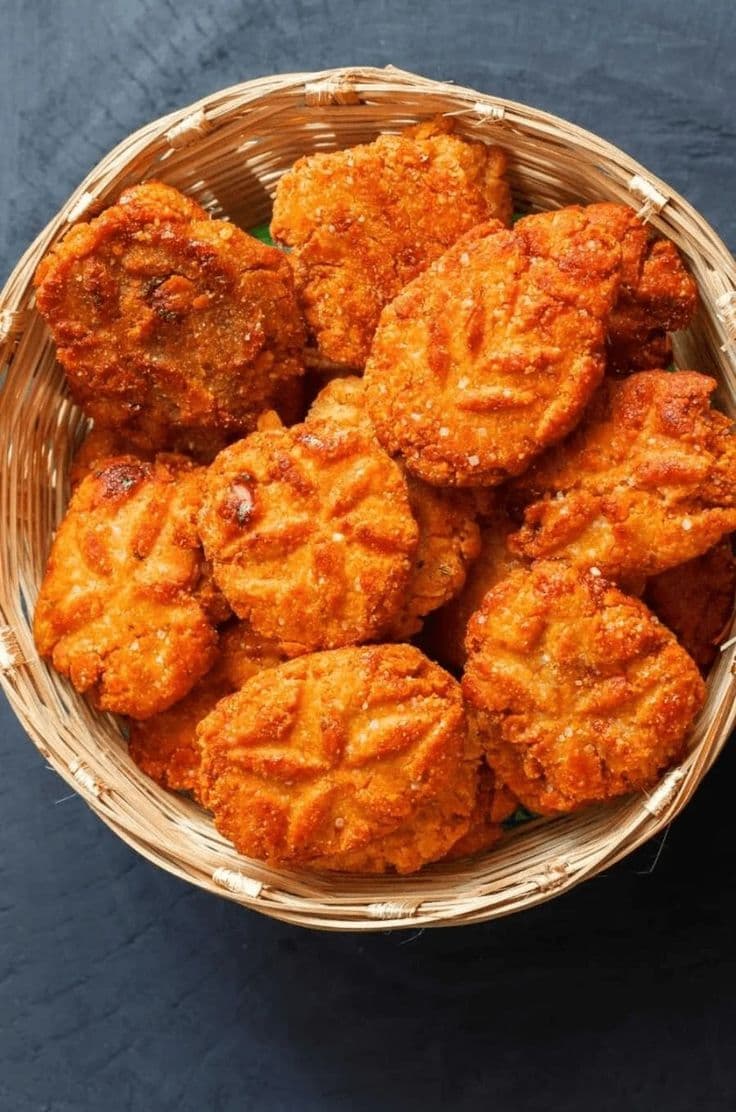
Maa Ki Rasoi started the way most home-food businesses do — cooking the way it's always been done in the family, for the family, before that same food found its way to people outside it entirely by word of mouth and, eventually, online.
Where it started
The recipes behind Maa Ki Rasoi's thekua, nimki, papad, achaar and pedakiya aren't written down in a formal way — they're methods learned by watching and doing, passed down the way most traditional Bihari home cooking is, without measured-out recipe cards or standardised processes. Each dish carries small techniques and judgment calls that come from years of repetition, not something that transfers easily to a written recipe even if one existed.
What "homemade" actually means here
Every item is made in a real home kitchen, in small batches, using the same techniques used for family and festival cooking long before any of it was sold online — sun-dried papad, oil-cured achaar, jaggery-based thekua made without shortcuts, flaky hand-shaped nimki, and traditional pedakiya with its family-specific filling. Nothing here is scaled up through industrial shortcuts; batch sizes stay limited by what a home kitchen can genuinely produce with proper care.
Why it's online now
Families living outside Bihar — in Bangalore, Delhi, Mumbai and elsewhere — often can't find these specific foods locally, made the specific traditional way. Shipping pan-India means that gap can close without anyone having to compromise on what "real" Bihari home food actually tastes like, whether that's someone who grew up with it and moved away, or someone entirely new to Bihari cuisine who's curious to try it.
What stays the same as demand grows
Scaling up to ship further doesn't change the method — the same jaggery-curing time for thekua, the same oil-curing period for achaar, the same sun-drying for papad, the same hand-shaping for nimki and pedakiya, regardless of how many orders come in that week. Growing the business hasn't meant trading traditional technique for speed; if anything, it's meant learning to plan further ahead so quality never has to be rushed.
The five products, and what they represent
Thekua, nimki, papad, achaar and pedakiya together aren't a random product catalogue — they're a real cross-section of everyday and festival Bihari home cooking, covering sweet and savoury, everyday snacking and festival prasad, in a way that reflects how food actually functions in a Bihari household across the year.
Looking ahead
As Maa Ki Rasoi continues to reach more people outside Bihar, the goal stays the same it started with — food made the way it's always been made, for people who either grew up with it or are discovering it for the first time.
What buyers say matters most
Feedback from Maa Ki Rasoi customers consistently centres on the same few things: the taste matching what they remember from home, the freshness compared to packaged alternatives, and the honesty of not overpromising shelf life or cutting corners on ingredients. These aren't marketing points invented after the fact — they're the same standards the kitchen has held since long before anything was sold online.
A kitchen, not a factory
It's worth being direct about scale: Maa Ki Rasoi is a home kitchen, not an industrial operation, and that's intentional. Growth here means reaching more people who want traditional Bihari food made properly, not maximising output at the expense of the method — which is why lead times exist, why batches are limited, and why the same techniques apply whether an order is for one family or a larger festival gifting run.
Browse the full Maa Ki Rasoi storefront to see everything currently available.
Every piece here is made by a real woman running her own small business.
Shop the marketplace →