

The MadeByHer Journal
Papad Without Preservatives — What's Actually In Ours
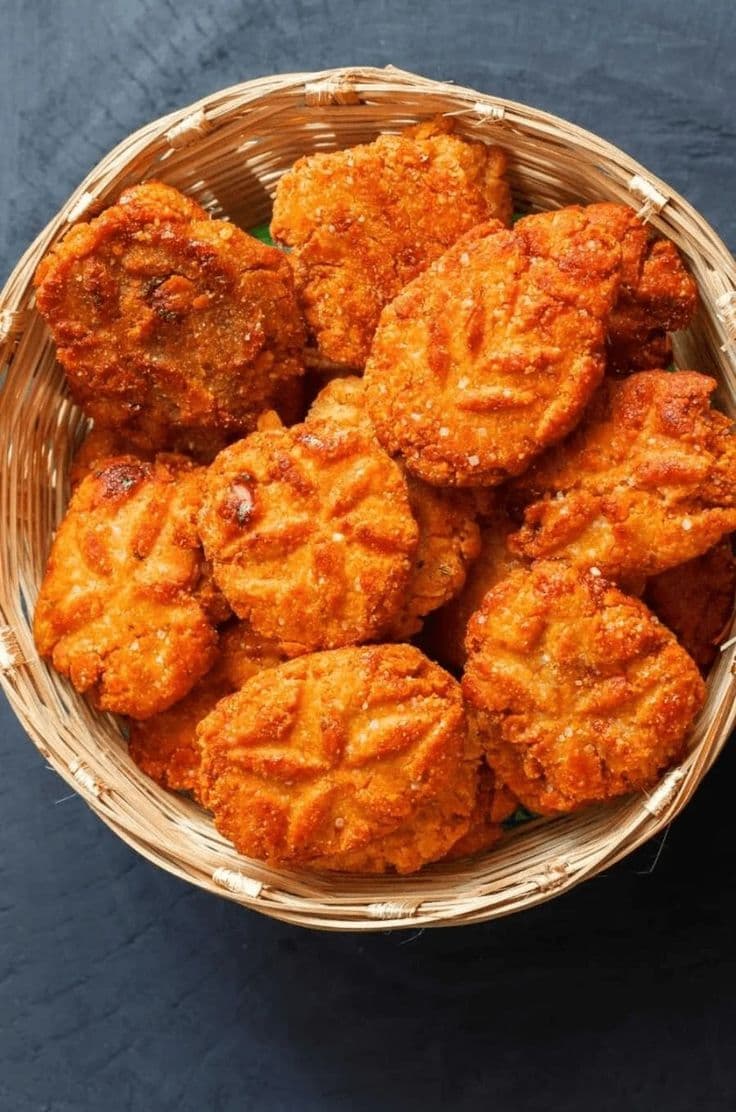
Papad without preservatives is one of the clearest signals that a papad is genuinely homemade rather than industrially produced — here's what that typically looks like in practice, and why it matters beyond just the ingredient label.
The base ingredients
Traditional papad starts with a lentil flour (commonly urad dal) or rice flour base, mixed with salt and water into a firm dough, then rolled thin and dried. That's the entire foundational list — no stabilisers, no extended-shelf-life chemical additives, no artificial flavour enhancers beyond what traditional spicing already provides.
Flavouring, not preserving
Additional ingredients like black pepper, cumin, asafoetida or red chilli are added for flavour, not preservation — the actual preservation comes from thorough drying, which removes enough moisture that the papad keeps for months without refrigeration or chemical additives. This is worth understanding clearly: the "without preservatives" claim isn't a gap in the product, it's a description of a preservation method that predates chemical additives by generations.
Why "without preservatives" doesn't mean short shelf life
Properly sun-dried papad, stored in a dry, airtight container, keeps for a genuinely long time despite having no chemical preservatives — the drying process itself is the preservation method, the same principle traditional Indian food storage has relied on for generations across many different foods, not just papad specifically.
Comparing the ingredient panel
If you compare a homemade papad without preservatives against a mass-market packaged papad, the difference in ingredient list length is often stark — a short list of recognisable pantry items versus a longer list that may include stabilisers, colour additives, or extended-shelf-life chemicals depending on the brand. Reading both side by side is often the fastest way to understand the actual difference between the two products.
What to check before ordering
An honest listing will name the flour type and flavouring used, and won't need to list anything beyond that short set of ingredients — if a "homemade" papad listing has a surprisingly long ingredient list, it's worth asking the seller directly why, since it may not be as traditionally made as the listing implies.
Storage once it arrives
Keep papad without preservatives in a dry, airtight container away from humidity — moisture is the main risk to shelf life for a preservative-free, dried product like this, more so than time itself, since properly dried and stored papad can last for many months.
Why ingredient transparency matters more for some buyers
For buyers with specific dietary restrictions, allergies, or a general preference for minimally processed food, a short, honest ingredient list isn't just a nice-to-have — it's often the deciding factor in choosing homemade papad without preservatives over a packaged alternative, since every additional ingredient is one more thing to check against personal dietary needs.
The difference sun-drying makes to the final ingredient simplicity
Because sun-drying achieves the necessary moisture removal without any chemical assistance, papad made this way genuinely doesn't need preservatives to stay shelf-stable — the method itself does the preservation work, which is why an honestly sun-dried papad and an honestly short ingredient list tend to go hand in hand rather than being two separate marketing claims.
Browse homemade papad without preservatives, made with a short, honest ingredient list.
Every piece here is made by a real woman running her own small business.
Shop the marketplace →