

The MadeByHer Journal
Pedakiya vs Gujiya — How This Bihari Sweet Compares
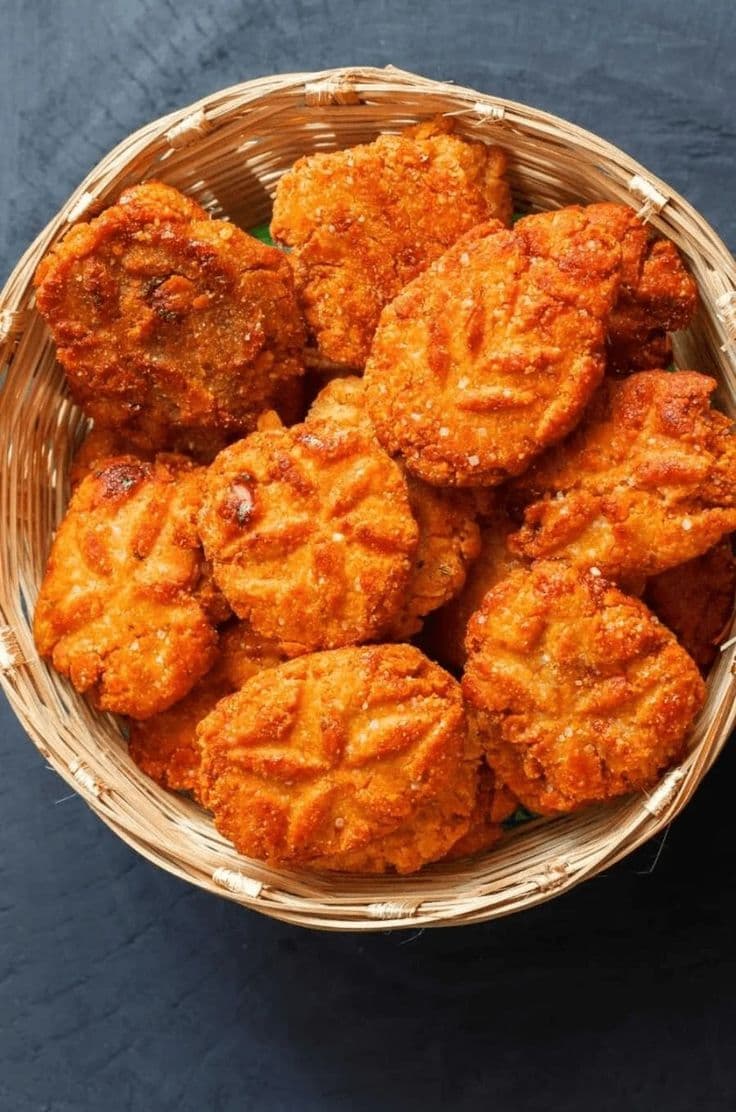
Gujiya vs pedakiya is a comparison that helps a lot of people place this lesser-known Bihari sweet, since gujiya is the nationally known reference point most people reach for — but the two are genuinely different once you look past the shared "fried, filled pastry" category.
Shape and dough
Gujiya is typically crescent-shaped with a refined-flour pastry dough, rolled thin and crimped along the curved edge in a fairly recognisable, standardised way across most of the regions that make it. Pedakiya's shape and dough vary more by household but often differ in thickness and shaping method from the standard gujiya crescent, sometimes rounder or differently sealed depending on the family recipe.
Filling
Gujiya filling centres on khoya, dried fruit and sugar in a fairly standardised way across most regions that make it, giving most gujiya a fairly consistent flavour profile regardless of where it's made. Pedakiya filling varies more by family recipe within Bihar — some versions lean toward coconut, others toward a jaggery-forward sweetness distinct from gujiya's khoya-centric filling, meaning two different pedakiya recipes can taste noticeably different from each other.
Regional identity
Gujiya is associated nationally with Holi and Diwali and made across most of North India, with recognisable versions appearing in states well beyond where it may have originated. Pedakiya is specifically Bihari, tied to Bihar's own festival calendar and family traditions rather than a pan-India celebration, which is a large part of why it hasn't achieved the same national recognition.
Availability
Gujiya is widely available in sweet shops across much of India during Holi and Diwali season, making it easy to buy without seeking out a specific regional seller. Pedakiya, by contrast, is realistically only findable through a Bihari home kitchen or a seller specifically making traditional Bihari sweets, since it isn't stocked in general sweet shops outside the region.
Why the comparison helps
For anyone who knows gujiya and is curious about pedakiya, the gujiya vs pedakiya comparison is a useful entry point — expect something in the same general category (fried, filled, festive) but with its own distinct flavour and regional identity, not a regional rename of the same sweet under a different name.
Trying both side by side
If you have access to both, tasting gujiya and pedakiya side by side is the clearest way to appreciate the distinction — the filling difference in particular becomes obvious immediately, with gujiya's khoya-rich sweetness contrasting against pedakiya's more variable, often coconut- or jaggery-forward filling depending on the specific recipe you're trying.
Which occasions call for which sweet
Gujiya's strong association with Holi and Diwali means it's what most hosts default to for those specific festivals, even in Bihari households. Pedakiya tends to appear more in family-specific celebrations and Bihar's own regional festival calendar rather than being tied as rigidly to one nationally recognised occasion — if you're planning a Holi spread, gujiya is the expected inclusion, while pedakiya works well as a distinctive addition that sets your spread apart from a standard one.
Why Bihar has its own version rather than adopting gujiya directly
Regional food traditions across India often develop distinct versions of a broadly similar concept — fried, filled festive pastries exist in many forms across the country — rather than one recipe simply spreading unchanged everywhere. Pedakiya's continued existence as a distinct Bihari sweet, even as gujiya became more nationally dominant, reflects the strength of regional culinary identity rather than pedakiya being a lesser-known variant that lost out.
Browse homemade pedakiya to try the real thing rather than assuming it's identical to gujiya.
Every piece here is made by a real woman running her own small business.
Shop the marketplace →