

The MadeByHer Journal
Vegetarian and Vegan Bihari Snacks — What's Naturally Plant-Based
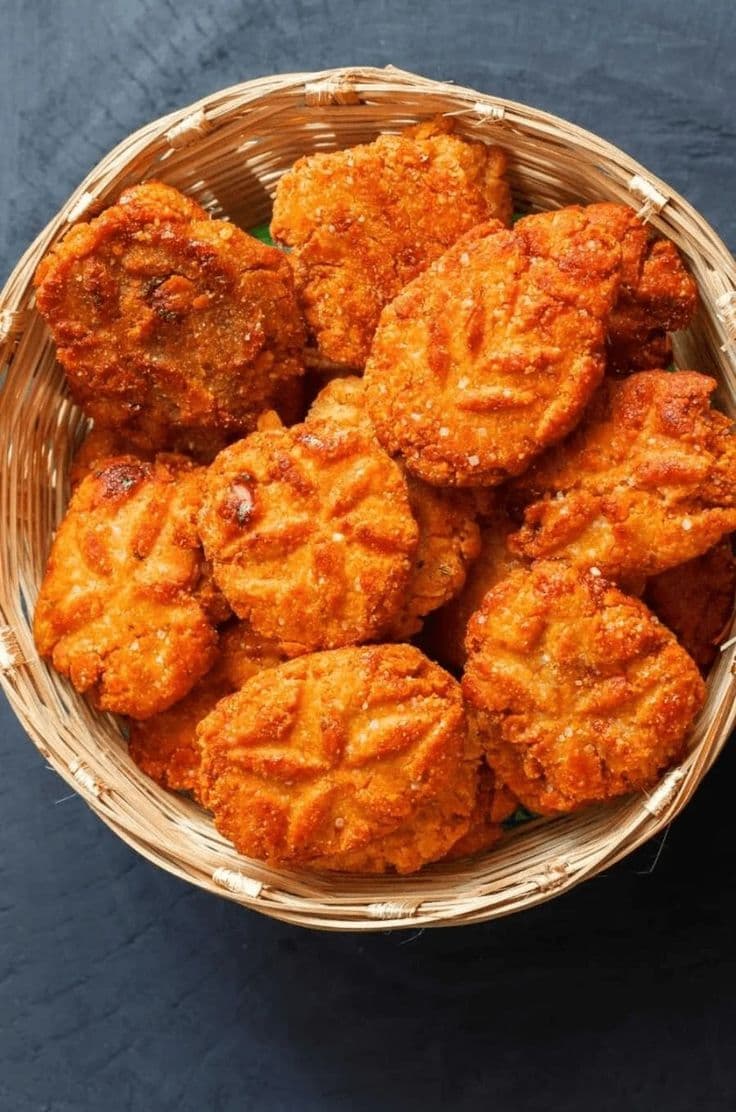
Vegetarian indian snacks are the default rather than the exception in Bihari home cooking, which makes them easier to find than in cuisines built more heavily around meat or dairy — though a few common ingredients are worth checking if you're specifically vegan rather than vegetarian.
Thekua — vegan with one caveat
Thekua's core ingredients (wheat flour, jaggery, oil) are naturally vegan, but many traditional recipes use ghee (clarified butter) rather than a neutral oil, which makes standard thekua vegetarian but not strictly vegan. If you're vegan specifically, ask the seller whether her recipe uses ghee or a plant-based oil — some sellers can accommodate an oil-based version on request, though this changes the traditional flavour somewhat.
Nimki — same ghee consideration
Like thekua, traditional nimki relies on ghee worked into the dough to create its flaky texture, making it vegetarian by default but not automatically vegan. A vegan-adapted version using plant oil is possible but will have a somewhat different texture than the traditional ghee-based flakiness.
Papad — naturally vegan
Papad is typically vegan by default — lentil or rice flour, salt, and spices, with no dairy or animal products in the traditional recipe. This makes it one of the most reliably vegan-friendly items across Bihari snacks generally, whether roasted (no added oil at all) or fried in vegetable oil.
Achaar — check the oil and any added ingredients
Traditional mango achaar made with mustard oil, mango and spices is naturally vegan — no dairy or animal products in a standard recipe. Some pickle variations occasionally include non-vegetarian ingredients depending on region and type, so it's worth confirming the specific achaar variety, though mango achaar specifically is reliably vegetarian and vegan in its traditional form.
Pedakiya — depends entirely on the filling
This is the item where vegan status varies most, since pedakiya filling commonly includes khoya (a dairy product) in many traditional versions. A coconut-based or jaggery-based filling, which some households use instead, is naturally vegan, while a khoya-based version is not. If vegan pedakiya matters to you, ask the seller directly which filling style she uses.
Why checking directly with sellers matters
Because these are home-kitchen products rather than standardised packaged goods with ingredient labels, the most reliable way to confirm vegan or vegetarian status for any specific item is asking the seller directly rather than assuming based on the dish name alone — recipes vary enough between households that generalisations only go so far.
A realistic summary
Papad is the most reliably vegan option across the board. Achaar (mango specifically) is generally vegan. Thekua and nimki are vegetarian by default, vegan with a recipe adjustment. Pedakiya depends entirely on filling choice.
Why so many vegetarian indian snacks exist in the first place
India's large vegetarian population, particularly across states with strong religious and cultural vegetarian traditions, has shaped snack food development toward naturally vegetarian recipes far more than in many other cuisines globally — Bihari snacks specifically reflect this broader pattern, which is why so few adaptations are needed to make most of them vegetarian-friendly by default.
For strict vegetarians checking for eggs specifically
None of the five core items covered here traditionally include egg in any standard recipe, which is worth noting for strict vegetarians who avoid egg specifically alongside meat and fish — Bihari home cooking generally doesn't rely on egg as a binding or enriching ingredient the way some other cuisines' baked goods might.
Jain dietary considerations specifically
Some buyers follow Jain dietary restrictions, which go further than standard vegetarianism by also excluding root vegetables like onion and garlic. Most of the five core items here don't rely heavily on onion or garlic in their traditional recipes to begin with, but achaar in particular can sometimes include asafoetida or other ingredients worth double-checking if you're following Jain dietary rules specifically — asking the seller directly is the most reliable way to confirm.
A note on cross-contamination for strict vegetarians
Even where a recipe itself is fully vegetarian, some strict vegetarians also care about whether the same kitchen or equipment handles non-vegetarian food at other times. Most home-kitchen sellers on this platform operate vegetarian-only kitchens given the products they sell, but if this distinction matters to you specifically, it's a reasonable thing to ask about directly rather than assuming.
Browse homemade Bihari snacks and check with individual sellers about specific dietary requirements.
Every piece here is made by a real woman running her own small business.
Shop the marketplace →