

The MadeByHer Journal
What Is Jaggery (Gud) and Why Bihari Sweets Rely On It
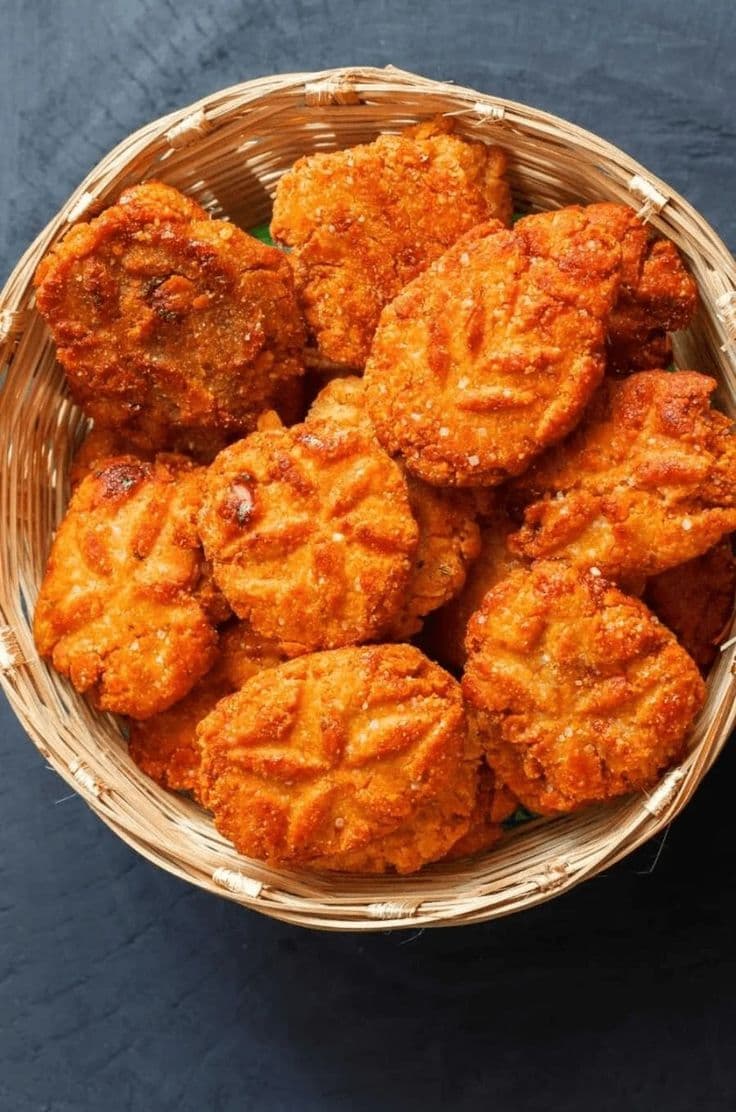
What is jaggery gud is a fair question for anyone encountering it primarily through Bihari sweets like thekua rather than growing up with it as a kitchen staple — understanding what it actually is explains a lot about why traditional recipes insist on it rather than treating it as interchangeable with sugar.
What jaggery actually is
Jaggery (called gud in Hindi and several other Indian languages) is unrefined sugar made by boiling down sugarcane juice (or sometimes palm sap) until it thickens and solidifies, without the extensive refining process white sugar undergoes. This means jaggery retains molasses and trace minerals that refined sugar processing removes, giving it a noticeably different colour, flavour and nutritional profile compared to white sugar.
How jaggery is traditionally made
Sugarcane juice is extracted and boiled in large open pans over sustained heat, with impurities skimmed off as it thickens, until it reaches a consistency that can be poured into moulds to solidify into blocks, or kept as a softer paste depending on the intended use. This is a genuinely labour- and heat-intensive process, traditionally done in rural production centres close to where sugarcane is grown, including parts of Bihar and neighbouring states.
Why jaggery tastes different from sugar
Because jaggery retains molasses and mineral content that refining removes from white sugar, it has a deeper, slightly smoky, less sharply sweet flavour — this is the flavour thekua is actually built around, not a health-conscious substitution for sugar. A version of thekua made with white sugar instead tastes noticeably different, flatter, and less traditional to anyone who grew up with the jaggery version.
Nutritional differences, honestly stated
Jaggery does retain more minerals (like iron and small amounts of others) than heavily refined white sugar, which is often cited in favour of jaggery — but it's still fundamentally a sugar and should be treated with the same general moderation as any sweetener, not marketed as a health food. The nutritional difference between jaggery and white sugar is real but modest, not a reason to consume it without limit.
Different grades and qualities of jaggery
Jaggery quality varies significantly by source and processing — colour can range from light golden to a deep, almost black-brown, and purity varies depending on how carefully it was made. Traditional Bihari sweet-makers often have strong preferences for specific jaggery sources or suppliers, since it directly affects the final flavour of dishes like thekua.
Why this matters when buying thekua or other jaggery sweets online
If you're specifically seeking out the traditional jaggery flavour rather than a modernised, sugar-based imitation, checking that a seller explicitly uses jaggery — not just "traditional recipe" language that could mean either — is worth confirming directly.
Jaggery's role beyond thekua
What is jaggery gud used for extends well beyond thekua specifically — it's a staple sweetener across much of Indian home cooking, used in various sweets, sometimes in savoury cooking for balance, and traditionally eaten in small amounts after meals in some households as a digestive aid, alongside fennel seeds.
Buying good quality jaggery if you're cooking with it yourself
If you're attempting a jaggery-based recipe at home, quality varies noticeably between sources — look for jaggery that's not overly hard or crystallised, with a rich brown colour rather than an artificially pale one, which can indicate excessive processing that works against the point of choosing jaggery over refined sugar in the first place.
Storing jaggery properly at home
Jaggery is somewhat more sensitive to storage conditions than white sugar — it can absorb moisture from humid air and become sticky, or in some cases develop small insects if left improperly sealed for a long period. Keeping it in a fully airtight container, away from humidity, and using a dry spoon or knife each time you cut a piece, keeps it in good condition considerably longer.
Why some sellers specify their jaggery source
More detail-oriented home-kitchen sellers sometimes mention specifically where their jaggery comes from, since regional jaggery varies in flavour depending on the sugarcane variety and local production methods. This level of detail isn't strictly necessary to make a good thekua, but it does signal a seller who's genuinely thought about ingredient quality rather than sourcing whatever jaggery happens to be cheapest or most convenient.
Browse homemade thekua, made with real jaggery rather than a refined-sugar shortcut.
Every piece here is made by a real woman running her own small business.
Shop the marketplace →