

The MadeByHer Journal
What Is Pedakiya? A Guide to Bihar's Lesser-Known Sweet
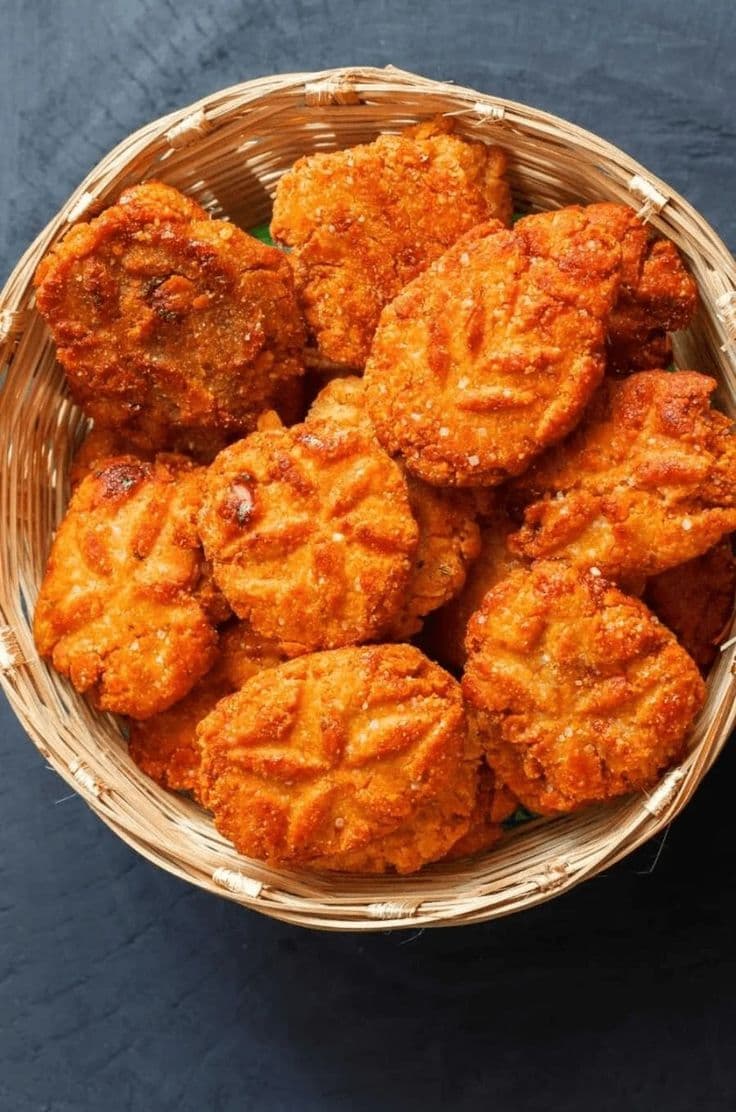
What is pedakiya is a genuinely common question, since this traditional Bihari sweet — a fried, filled dumpling that shares some family resemblance to gujiya but has its own distinct identity, texture and place in Bihari festive food — simply hasn't reached national recognition the way some other Indian sweets have.
The basics
Pedakiya is made from a flour-based outer dough, filled with a sweetened mixture (commonly khoya, grated coconut, or a jaggery-based filling depending on the household recipe), sealed and deep-fried until golden. The exact filling varies by family, which is part of why there's no single definitive "correct" pedakiya recipe — it's more a category of Bihari sweet than one fixed formula.
How it differs from more widely known Indian sweets
Because pedakiya is regionally specific to Bihar rather than nationally distributed the way gujiya or laddoo are, it's genuinely unfamiliar to a lot of Indians outside the state — searches for "what is pedakiya" and "pedakiya in english" reflect real unfamiliarity, not a niche or obscure interest limited to a small audience. Many people encountering the word for the first time assume it must be a variant of a more familiar sweet, which isn't quite accurate.
The name itself
"Pedakiya" (sometimes written pedakiya, pedukia, or with other spelling variations) doesn't have a direct, widely-used English translation — it's typically just referred to by its Hindi/Bihari name even in English-language contexts, similar to how thekua and other regional sweets are usually kept in their original name rather than translated.
When it's traditionally made
Pedakiya shows up around festivals and family celebrations in Bihar, made in home kitchens rather than sold widely in mainstream sweet shops — part of why it's stayed relatively unknown outside the region despite being a genuine part of Bihari food culture with real history behind it, not a recent invention.
Taste and texture to expect
Expect a crisp, fried outer layer with a sweet, somewhat dense filling inside — closer in overall category to gujiya than to a dry sweet like laddoo, but with its own distinct flavour depending on whether the filling leans toward coconut, khoya, or jaggery in the specific recipe you're trying.
Where to try it
Since it's not something most cities stock locally, ordering from a Bihari home kitchen that makes it traditionally is realistically the only way to try genuine pedakiya outside Bihar itself — it's not a sweet you're likely to stumble across in a general Indian sweet shop outside the region.
Why "what is pedakiya" searches are growing
As homemade regional Indian food becomes more accessible online, curiosity about lesser-known regional specialities like pedakiya has grown alongside it — people who've exhausted the more commonly available regional sweets are increasingly searching out things like what is pedakiya specifically because it isn't already mainstream, which is part of its appeal for adventurous eaters.
What to expect the first time you try it
If you're trying pedakiya for the first time, go in expecting a fried, moderately sweet snack with a filling that varies by maker — not overly sugary, and with a texture that sits somewhere between a simple fried dough and a more elaborate stuffed pastry. It's a good introduction to Bihari sweets beyond thekua specifically.
Browse homemade pedakiya, made using traditional Bihari methods and recipes.
Every piece here is made by a real woman running her own small business.
Shop the marketplace →