

The MadeByHer Journal
Homemade Mango Achaar Online — What Makes It Different
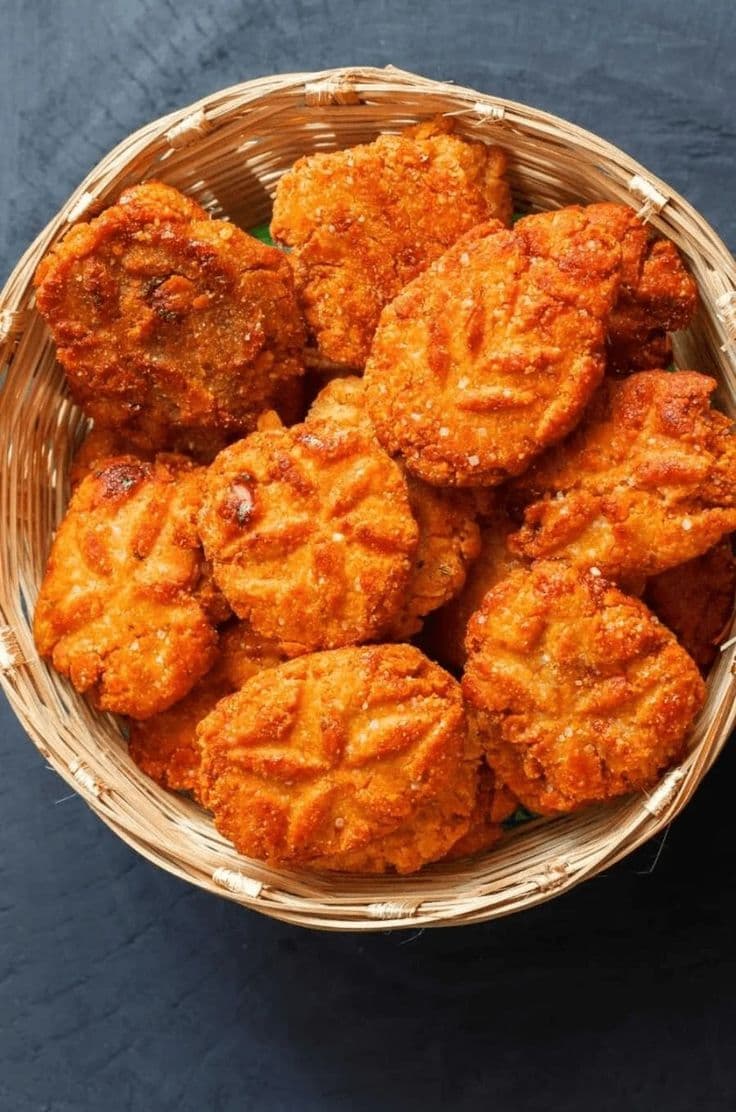
Mango achaar online is probably the most searched Indian pickle category, which also means it's the most heavily mass-produced — making the difference between genuinely homemade mango achaar and factory-made worth understanding before you order.
What homemade actually means here
A homemade mango achaar is typically made in small batches using raw mangoes prepared and pickled by hand, with mustard oil, whole spices and salt as the preservation method — no chemical preservatives, no shortcuts on the oil-curing time that traditional pickle needs to develop flavour and keep safely. The mangoes themselves matter too — raw, firm, and tart, picked and cut specifically for pickling rather than eating fresh.
What to check on a mango achaar listing
- Oil used: mustard oil is traditional and part of what gives homemade mango achaar its flavour and preservation — sunflower or refined oil substitutes change both the taste and the traditional character of the pickle.
- No listed preservatives: a genuinely homemade achaar relies on oil, salt and spice for shelf stability, not chemical additives, and an honest listing won't need to hide behind a long ingredient panel.
- Batch size language: sellers making it traditionally usually mention small-batch or seasonal preparation, tied to when raw mangoes are available, rather than implying year-round industrial production.
- Spice detail: a seller who can describe her specific spice mix — mustard, fenugreek, fennel, turmeric — is a stronger signal of real homemade preparation than a generic "homemade" label with no detail.
The curing process
After mixing the cut mangoes with spices and oil, traditional mango achaar needs a curing period — sometimes with sun exposure, sometimes simply resting — before it reaches full flavour and safe shelf stability. This step is frequently shortened or skipped in mass production, which is one of the biggest reasons homemade tastes noticeably deeper and more developed than a quickly-produced commercial jar.
Storage
Homemade mango achaar, properly oil-cured, keeps for months at room temperature if the oil layer stays topping the pickle — always use a dry spoon to avoid introducing moisture that can spoil it early. Keep the jar in a cool, dry spot away from direct sustained heat, and top up the oil layer if it starts running low after repeated use.
Frequently asked questions
How long does homemade mango achaar last? Properly cured and stored with the oil layer intact, it typically keeps for several months at room temperature without refrigeration.
Is mustard oil necessary, or can other oils be used? Mustard oil is traditional and contributes meaningfully to both flavour and preservation — other oils can be used but produce a noticeably different, less traditional result.
Why does homemade achaar cost more than a supermarket jar? The mangoes, hand preparation, real spice quantities and proper curing time all take more resources than industrial production, and the price reflects that rather than markup alone.
Seasonal availability of raw mango
Raw mango for pickling is genuinely seasonal, typically available in the months leading into and through summer — this means the best homemade mango achaar is often made and cured in batches tied to that window, then sold throughout the year once properly cured, rather than made fresh to order year-round the way something like nimki might be. If a seller mentions seasonal batch production, that's usually a good sign of authenticity rather than a limitation.
Pairing mango achaar with meals
Mango achaar is traditionally served alongside dal-rice, parathas, or as part of a full thali, where its tartness and spice cut through richer dishes. A small spoonful goes a long way given its concentrated flavour — it's meant as an accent to a meal, not a dish on its own.
Browse homemade mango achaar made in small batches without preservatives, using traditional mustard oil curing.
Every piece here is made by a real woman running her own small business.
Shop the marketplace →