
The MadeByHer Journal
How Nimki Is Made — Recipe and Tradition
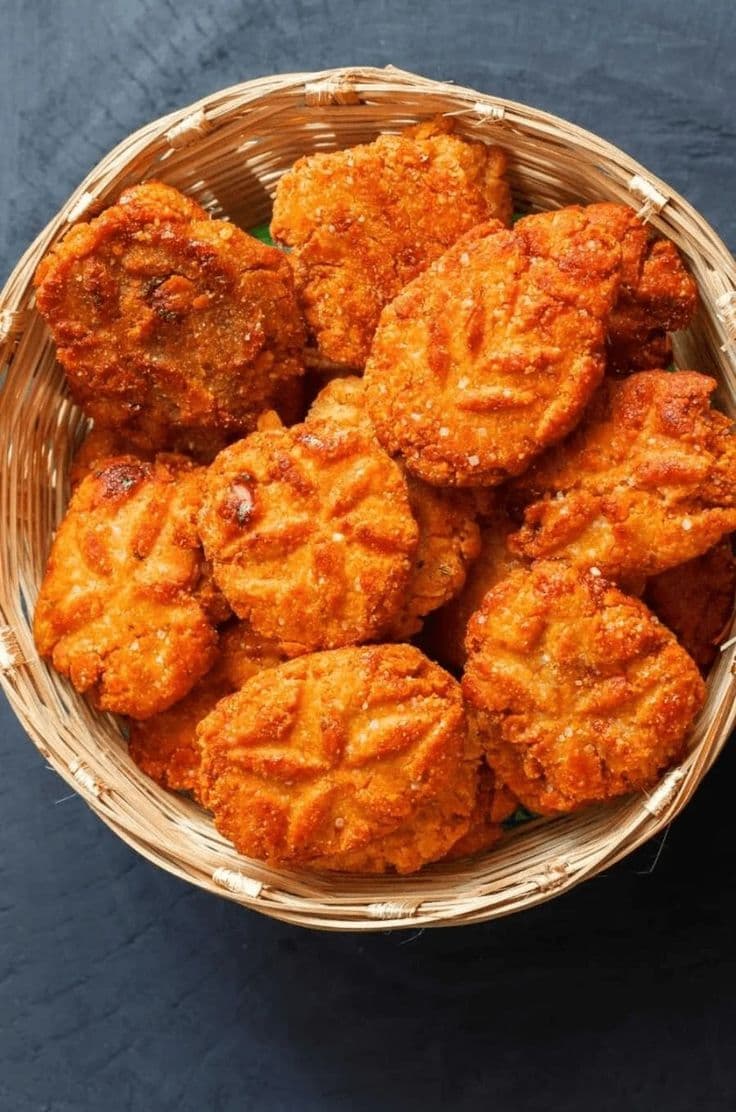
Nimki kaise banate hain is a commonly searched question, and the honest answer is that nimki's flaky texture comes down to a specific dough-making technique, not just the ingredients — the method matters as much as what goes into it, maybe more.
The dough
Nimki dough is made from flour, ghee (worked into the flour before any liquid is added, similar to a pastry technique), and a mix of spices — commonly cumin, kalonji, and sometimes ajwain, kneaded into a firm dough with a small amount of water. The ratio of ghee to flour is important here: enough to create the flaky layers during frying, but not so much that the dough becomes difficult to roll and shape.
Shaping
The dough is rolled out and cut into small diamond or triangle shapes, sometimes with a fork-pricked pattern to help it fry evenly and stay flat rather than puffing unevenly in the oil. Consistent thickness across all the pieces matters for even frying — pieces that are noticeably thicker than others will need more time in the oil and can throw off the batch if fried together with thinner pieces.
Frying
Nimki is fried on medium-low heat over a longer period than a quick fry — this slower method is what develops the flaky, crisp layers rather than leaving the inside soft. Rushing this step is the most common reason homemade attempts come out chewy instead of crisp, since the layers need time at a lower temperature to properly separate and crisp through rather than sealing shut too quickly at high heat.
Regional variation
Nimki-style snacks show up across Bengal, Odisha and Assam as well as Bihar, each with slight variations in spice mix and shape — the Bihari version tends toward a straightforward cumin-and-kalonji flavour profile without the extra sweetness some regional versions include. Some Bengali-style nimki recipes lean slightly sweeter or use a different spice balance, which is worth knowing if you've had a version elsewhere and are curious how the Bihari style compares.
Common mistakes when making nimki at home
Under-kneading the dough is a frequent issue, producing a nimki that doesn't develop proper flaky layers. Frying too fast at high heat is the other common mistake, sealing the outside before the inside has properly crisped, leaving a softer, less satisfying texture than well-made nimki should have.
Storage after frying
Once fried and cooled completely, nimki should go into an airtight container immediately — any lingering moisture or delay in sealing it properly can soften the crisp texture faster than expected, which is part of why fresh, recently-made nimki tastes noticeably better than nimki that's sat out uncovered.
Understanding nimki kaise banate hain as a skill, not just a recipe
Asking nimki kaise banate hain gets you the ingredient list and broad steps easily enough, but the actual skill — judging dough consistency by feel, knowing exactly when the oil is at the right temperature, sensing when a batch has fried long enough — comes from repetition rather than a written formula. This is true of most traditional Bihari snacks and part of why homemade versions from experienced cooks taste noticeably better than a first attempt following the same written steps.
Scaling the recipe up or down
The same basic technique works whether making a small batch for a family tea-time snack or a larger batch for festival gifting — the main adjustment at scale is frying in smaller batches within the oil to maintain consistent temperature, rather than changing the dough ratios themselves.
Browse homemade nimki made using the traditional method described here.
Every piece here is made by a real woman running her own small business.
Shop the marketplace →