

The MadeByHer Journal
How Thekua Is Made — The Traditional Jaggery Method
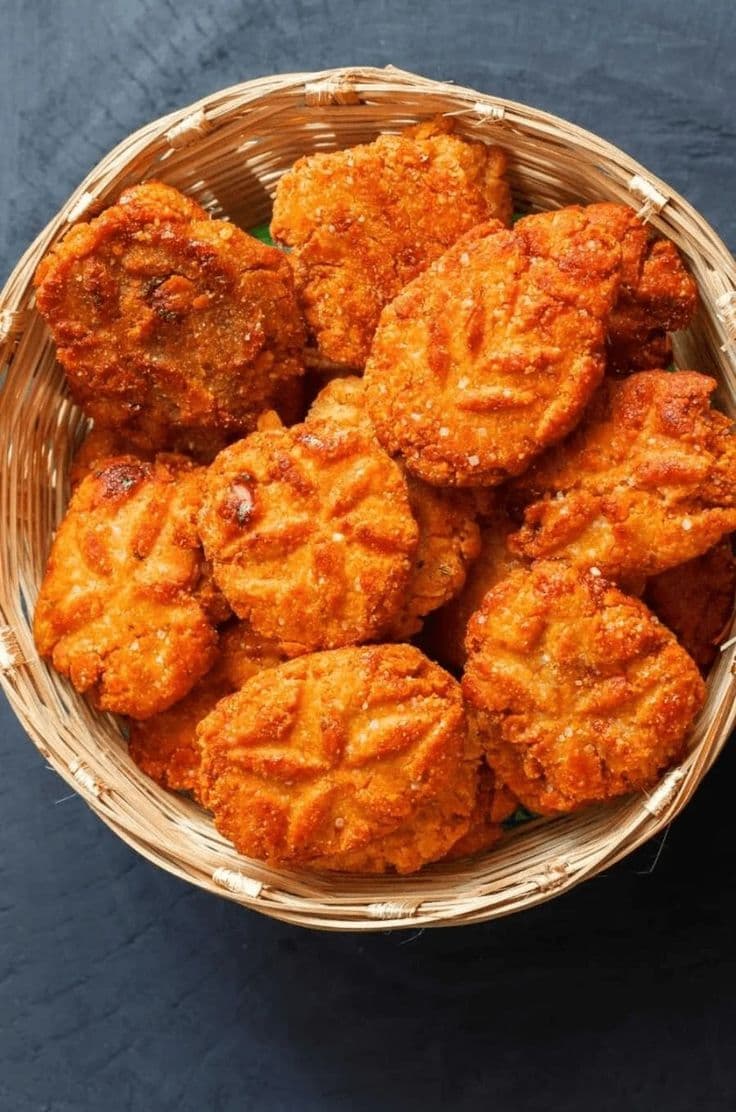
Thekua kaise banta hai is one of the most commonly searched questions about this Bihari sweet, and the honest answer is that the method is simple in ingredients but demanding in technique — a small mistake in kneading or frying temperature changes the result noticeably.
The core ingredients
Traditional thekua starts with wheat flour, jaggery (gud) melted into a syrup rather than used as dry sugar, and ghee worked into the flour before the jaggery syrup is added. Some recipes include a small amount of fennel seed (saunf) or grated coconut, depending on the family and region within Bihar. The exact ratio of ghee to flour matters — too little and the thekua turns out hard rather than pleasantly dense; too much and it won't hold its shape during frying.
The method, step by step
The dough is kneaded firm — much stiffer than a regular sweet dough — then shaped by hand or pressed with a wooden mould (thekua mould) to get the traditional ridged pattern, which isn't just decorative — it helps the thekua fry evenly and gives it its characteristic bite. Once shaped, each piece is set aside on a clean cloth or plate before frying begins, since handling wet or freshly shaped dough too much can affect how it holds together in the oil.
It's then deep-fried slowly on medium heat, since frying too fast leaves the inside raw while the outside burns. A well-made batch takes patience — dropping too many pieces into the oil at once lowers the temperature and produces uneven, oily results rather than the dry, crisp finish good thekua should have.
Why jaggery instead of sugar matters
Jaggery gives thekua its deep brown colour and a flavour refined sugar can't replicate — slightly smoky, less sharply sweet, with a mineral depth that white sugar simply doesn't carry. It's also the traditional choice, not a health-marketing addition; thekua made with white sugar is a modern shortcut, not the original method, and often tastes noticeably flatter to anyone who grew up with the jaggery version.
Common mistakes when making thekua at home
Frying at too high a heat is the most common error — it browns the outside before the inside cooks through, leaving a raw, doughy centre. Under-kneading is the second most common issue, producing a thekua that crumbles apart rather than holding its dense, chewy structure. Getting the jaggery syrup consistency right — not too thin, not overly thick and grainy — also takes practice, which is part of why traditional thekua-making skill is passed down through repetition rather than a written recipe.
Tools that help, but aren't strictly necessary
A wooden thekua mould is traditional and helps produce the recognisable ridged pattern quickly and consistently, but it isn't strictly required — many home cooks shape thekua entirely by hand using a fork or their fingers to press the ridges, which takes longer but produces an equally authentic result. What matters more than the tool is the dough consistency and frying temperature, both of which take practice regardless of whether a mould is used.
How the method varies slightly by family
While the core process — jaggery syrup, stiff dough, slow frying — stays consistent, small variations exist between households: some add a pinch of cardamom, others use a specific ratio of ghee that makes their thekua slightly richer, and some fry in mustard oil rather than a neutral oil for a subtly different flavour. None of these variations change the fundamental thekua kaise banta hai method, but they do explain why thekua from different sellers can taste noticeably different from each other despite following the same broad technique.
Making it vs. buying it made the traditional way
If you don't have the time or the mould, sellers making thekua the traditional way — same jaggery method, same hand-shaping, same slow frying — are the closest thing to homemade without doing it yourself. Browse homemade thekua online, made using the traditional jaggery method described here, not a shortcut version.
Every piece here is made by a real woman running her own small business.
Shop the marketplace →