

The MadeByHer Journal
Is Thekua Healthy? An Honest Look at the Ingredients
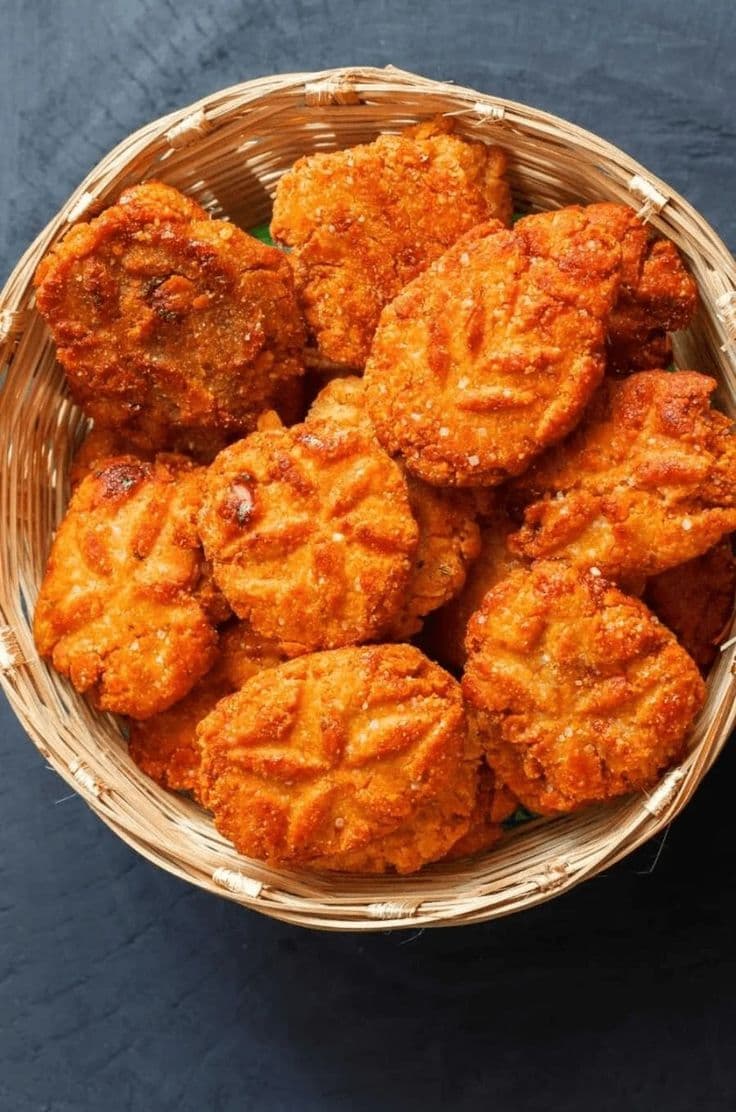
Is thekua healthy is a fair question to ask about a fried sweet, and it's worth being upfront about the answer rather than making health claims that don't hold up — but there are real differences between how it's traditionally made and how a lot of packaged snacks are made, worth knowing either way.
What's actually in traditional thekua
Wheat flour, jaggery, ghee or frying oil, sometimes fennel seed. That's a short, recognisable ingredient list compared to most packaged snack foods, which often include preservatives, stabilisers and refined sugar syrups you won't find in a traditional home-kitchen recipe. Being able to name every ingredient in something you're eating is a genuinely different experience from reading a long, unfamiliar ingredient panel on a packaged product.
Jaggery vs refined sugar
Jaggery is less processed than refined white sugar and retains some minerals lost in sugar refining, though it's still a sugar and should be treated as an occasional treat rather than a health food — nothing fried and sweetened is "healthy" in the way a vegetable is, and it's worth being honest about that rather than making exaggerated claims. Some people find jaggery easier on digestion than refined sugar, though this varies individually and isn't a substitute for actual dietary guidance if you have specific health concerns.
The oil question
Since thekua is deep-fried, oil absorption is a real factor in its overall nutritional profile — the type of oil or ghee used, and how well the frying temperature is controlled, both affect how much oil ends up in the final product. Properly fried thekua at the right temperature absorbs less oil than thekua fried too slowly at too low a heat, which is one more reason technique matters beyond just taste.
The realistic take
Thekua made traditionally, in small batches, without preservatives, is a better choice than a mass-produced packaged sweet with a long ingredient list — but it's still a festive treat, not a health food, and moderation applies the same way it would to any fried, jaggery-sweetened snack. Eating thekua occasionally around Chhath or as an occasional treat is very different from treating it as a daily snack, and that distinction matters more than any single ingredient swap.
What to ask if you have dietary concerns
If you have diabetes, are watching sugar intake for other health reasons, or have specific dietary restrictions, jaggery is still a sugar and should be accounted for the same way any sweetened food would be — checking with a doctor or nutritionist about jaggery and fried foods in your specific diet is the right call, not relying on general information online, including this article.
Comparing homemade thekua to packaged alternatives
If your main concern is avoiding preservatives and artificial additives rather than calories specifically, homemade thekua made in small batches without chemical preservatives is a meaningfully different product from a long-shelf-life packaged version, even if the base nutritional profile (fried, jaggery-sweetened) is similar. For buyers specifically avoiding processed food additives, this distinction often matters more than the exact calorie count.
A balanced way to enjoy it
Treating thekua the way you'd treat any traditional festive sweet — enjoyed during Chhath and other occasions, in reasonable portions, alongside an otherwise varied diet — is a more realistic and sustainable approach than either avoiding it entirely or treating it as a health food. Context and moderation matter more here than any single ingredient.
Browse homemade thekua made with simple, traditional ingredients — jaggery, wheat flour, and ghee, nothing more.
Every piece here is made by a real woman running her own small business.
Shop the marketplace →