

The MadeByHer Journal
Thekua vs Gujiya — What's the Difference?
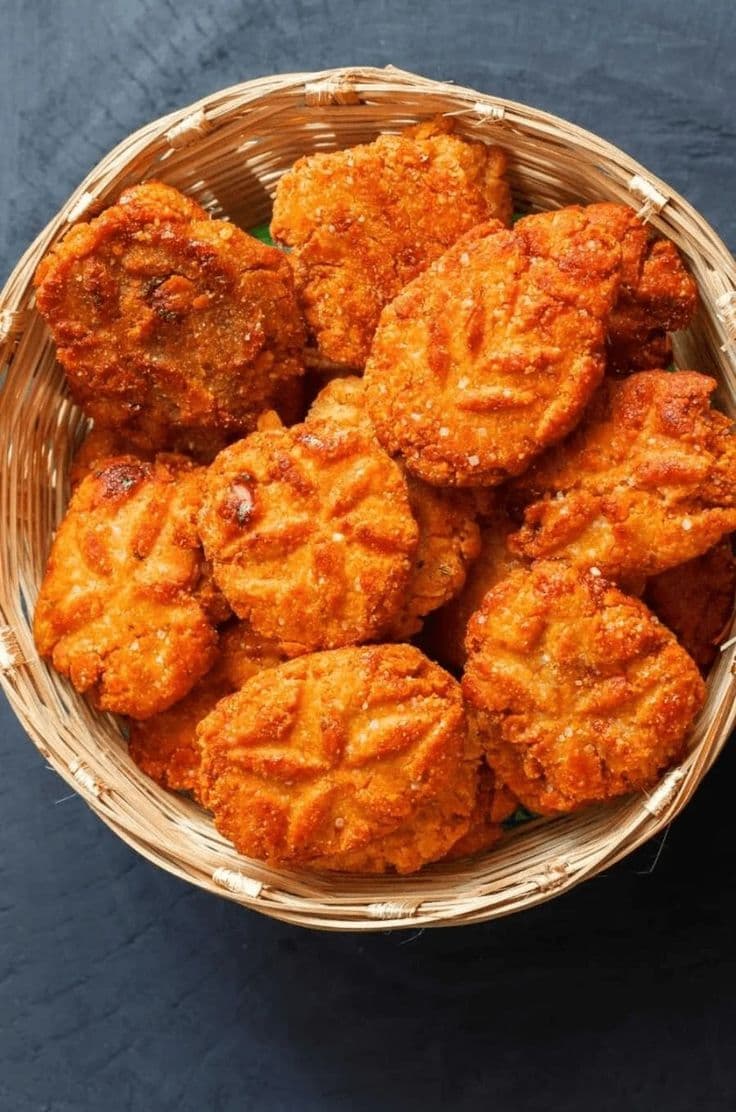
Thekua vs gujiya is a comparison that comes up often, since both are deep-fried Indian sweets tied to specific festivals — but once you look past "both are fried and festive," they're genuinely different sweets with different ingredients, textures and origins.
Thekua
Thekua is a Bihar-origin sweet made from wheat flour and jaggery, dense and slightly crunchy, associated most strongly with Chhath Puja. It has no filling — the jaggery is mixed directly into the dough, not stuffed inside — which gives it a uniform texture and flavour throughout rather than a distinct outer-and-inner contrast. It's typically shaped using a wooden mould or hand-pressed into ridged discs, and its flavour leans toward jaggery's deep, slightly smoky sweetness rather than refined sugar's sharper taste.
Gujiya
Gujiya is a stuffed, crescent-shaped pastry filled with khoya (reduced milk solids), dried fruit and sugar, most associated with Holi across North India. The outer pastry is closer to a flaky dough than thekua's dense one, and the filling is the main flavour rather than something worked into the dough itself. Gujiya's dough is typically made with refined flour and a small amount of ghee, rolled thin enough to seal properly around the filling before frying.
The practical differences
Thekua Gujiya Base Wheat flour + jaggery Refined flour + khoya filling Texture Dense, crunchy throughout Flaky outside, soft filling inside Festival Chhath Puja Holi, Diwali Region Bihar Pan-North India Sweetener Jaggery Refined sugar Shape Ridged disc CrescentWhich one should you try first
If you've only had gujiya and are curious about thekua, expect something firmer and less sweet — closer to a jaggery cookie than a stuffed pastry. If you've grown up with thekua and are trying gujiya for the first time, expect a softer bite and a richer, creamier filling flavour from the khoya rather than thekua's more straightforward jaggery taste throughout.
Can you make one from the other's recipe?
Not really — the doughs, fillings and shaping methods are different enough that swapping ingredients between the two doesn't produce a good result in either direction. They're best understood as two entirely separate festival sweets that happen to share a frying method and a general "festive Indian sweet" category, not variations of the same base recipe.
Nutritional differences worth knowing
Because gujiya's filling includes khoya and often more sugar, it tends to be richer and more calorie-dense per piece than thekua, which relies on jaggery mixed directly into a wheat-flour dough without an additional dairy-based filling. Neither is a light snack — both are festive, occasional treats — but if you're comparing the two specifically, thekua's simpler ingredient list generally makes it the lighter of the two, though "lighter" here is relative, not a health claim.
Where each fits in a festival spread
If you're putting together a festival snack table that includes both, thekua works well as a firmer, less rich option alongside gujiya's softer, creamier one — the textural contrast between the two makes them complement each other nicely rather than competing for the same role on the plate.
Both are worth trying on their own terms. Browse homemade thekua made the traditional Bihari way, using jaggery and wheat flour rather than a stuffed pastry approach.
Every piece here is made by a real woman running her own small business.
Shop the marketplace →